 Methylmalonic acid (MMA) is a popular vitamin B12 test.
But what actually is MMA and where does it come from? In the human body, MMA is a breakdown product or byproduct of protein, carbohydrate, and cholesterol metabolism. In other words, when a variety of proteins, fatty acids, and cholesterol are used to create energy, one of the byproducts is methylmalonic acid.
The specifics of this energy producing pathway are described as follows: In the creation of energy, the amino acids valine, isoleucine, methionine, threonine, odd-chain fatty acids, and cholesterol all go through a variety of metabolic processes to be converted into a substance called propionyl CoA. Propionyl Co-A is then converted into methylmalonyl CoA. When we are in good human bioactive B12 status, methylmalonyl CoA is then converted into succinyl CoA by an enzymatic reaction in which vitamin B12 is a co-factor. In other words, vitamin B12 is essential for the conversion of methylmalonyl CoA into succinyl CoA.
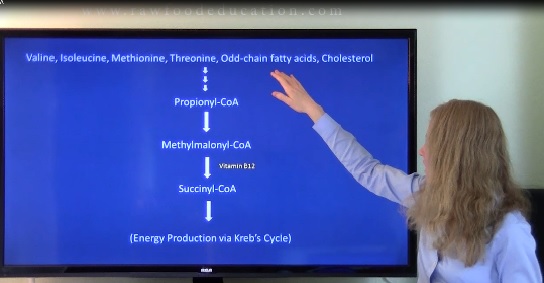
Succinyl CoA is an intermediate in the Kreb’s Cycle (also known as the TCA cycle), which is involved in energy production. We now see how vitamin B12 plays a role in energy production in our body.
What happens when someone becomes B12 deficient? The pathway that converts methylmalonyl CoA into succinyl CoA becomes de-emphasized and the amount of methylmalonyl CoA starts to increase. As this amount increases, methylmalonyl CoA is converted into methylmalonic acid. Methylmalonic acid does not have any specific function in the body, so it is eliminated from the body by the urinary tract. When one is deficient in vitamin B12, their blood and urine generally have elevated levels of methylmalonic acid.
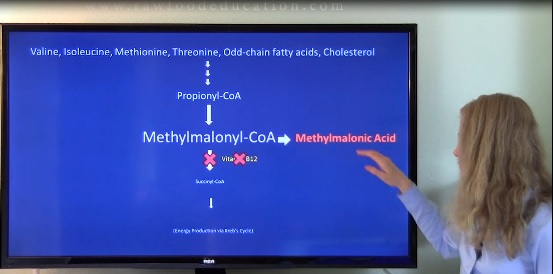
Vitamin B12 is very important for this pathway and many other reactions throughout the body. The bottom line is that it is a good idea to know our vitamin B12 status, which we can achieve through reliable B12 testing.
We cover the importance of vitamin B12, reliable testing, and reliable sources in our book, The Raw Food Nutrition Handbook, An Essential Guide to Understanding Raw Food Diets. If you are interested in our lab testing and nutrition consulting services, please visit www.rawfoodconsulting.com.
This video explains how and why methylmalonic acid can be created in the human body:
One of the best ways to keep in touch with us is to join our email list. You’ll receive a free copy of Our Top 12 Strategies for Long Term Success on A Raw Plant-Based Diet eBook along with regular information about raw food and plant-based diets and periodic promotions for our classes, events, and other offerings!
The Protein Content of Various Types of Sprouts
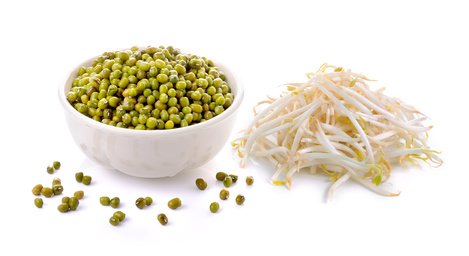
Are sprouts as rich in protein as they are rumored to be? How does the protein content of different types of sprouts compare? This video gives a good summary of available information:
One of the best ways to keep in touch with us is to join our email list. You’ll receive a free copy of Our Top 12 Strategies for Long Term Success on A Raw Plant-Based Diet eBook along with regular information about raw food and plant-based diets and periodic promotions for our classes, events, and other offerings!
Where do you get your protein on a raw plant- based vegan diet? A simple answer.
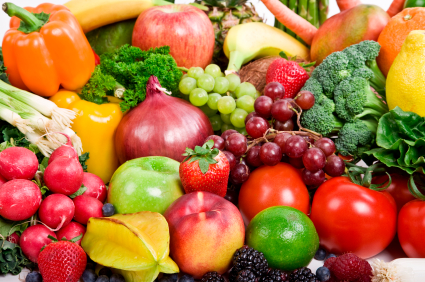
From our experience, this is by far one of the most commonly asked questions of people on raw or plant-based diets. The answer is fortunately quite simple: all plants contain protein. This may come as a surprise for some given that meat is commonly thought to be the sole or main source of protein in food.
Because all plants contain protein, all whole natural plant foods contain protein. Here is a summary of the protein content in a variety of plant foods found on a plant-based diet:
| Type of Food | Carbohydrate | Protein | Fat |
| Sweet Fruit | 89% | 6% | 5% |
| Vegetables | 73% | 18% | 9% |
| Nuts and Seeds | 16% | 11% | 73% |
| Avocados | 19% | 5% | 76% |
| Coconuts | 17% | 4% | 79% |
| Legumes | 66% | 30% | 4% |
| Grains | 80% | 12% | 8% |
| Pseudograins | 71% | 15% | 14% |
| Yams | 92% | 7% | 1% |
| Spirulina | 26% | 64% | 10% |
| Oil | 0 | 0 | 100% |
This chart shows the macronutrient (carbohydrate, protein, and fat) averages in a variety of types of foods as a percentage of calories. Some people may think that fruit does not contain protein, but as we can see, about 6% of the calories in fruit come from protein. Vegetables are higher in protein than fruit and nuts and seeds.
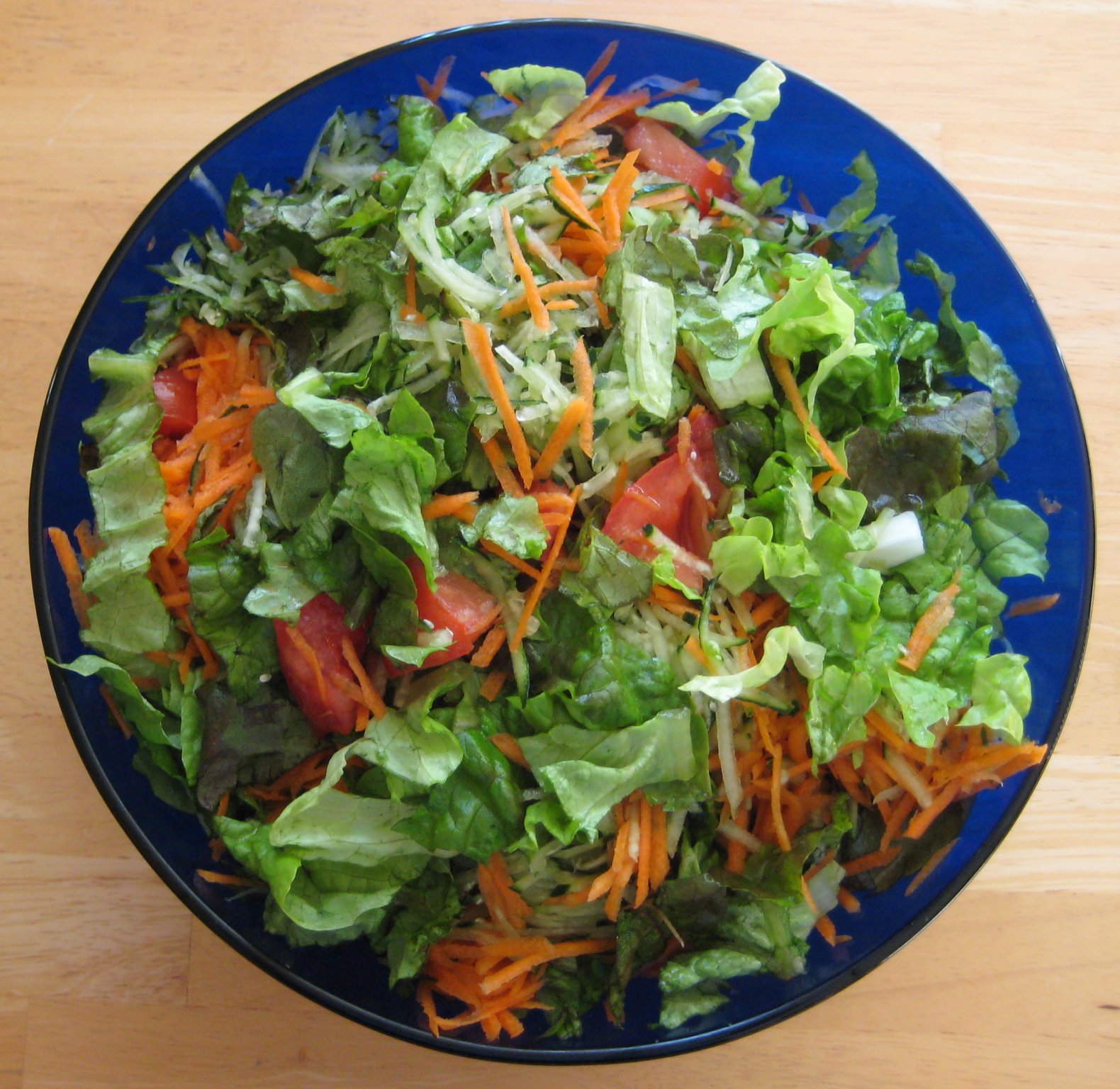
Even coconuts and avocados that are known for their high fat content contain some protein. Legumes are high in protein and low in fat, and can be considered a lean source of protein. In general, pseudograins are higher in protein than grains. True grains are found in the grain or grass family, known as the Poaceae, while pseudograins or pseudocereals including quinoa, amaranth, and buckwheat and are not members of the grain family. Quinoa and amaranth are found in the amaranth plant family (Amaranthaceae) and buckwheat is found in the Polygonaceae plant family.
Yams are well-known for their carbohydrate content and contain 7% of the calories from protein. Spirulina, a cyanobacterium, is the highest of all at 64% of the calories from protein. For more information on spirulina, check out my video. All oils are 100% of the calories from fat, which is one of the many reasons that I encourage people to eat whole natural plant foods, which are some combination of carbohydrate, protein, and fat.
How does this information compare to our protein needs? The World Health Organization suggests that a protein intake of 0.8 g of protein per kilogram of body weight is estimated to cover 97.5 percent of the human population’s needs. For someone who weighs 120 lbs. this would be 44 g of protein per day or 9% of the calories on a 2000 calorie per day diet. For someone who weighs 150 lbs. this would be 54 g of protein or 10% of the calories on a 2200 calorie per day diet. Our daily diets are composed of a combination of whole plant foods that contain more protein than these respective gram measurements and average out to greater than these percentages of calories from protein. Not surprisingly, after a combined 50 + years of living this lifestyle, we feel great.
We encourage you to learn more about this fascinating and often contentious topic, so we further delve into the protein content of raw and plant-based diets in our online Mastering Raw Food Nutrition and Educator Course. For more class details, click here.
Our book The Raw Food Nutrition Handbook: An Essential Guide to Understanding Raw Food Diets addresses plant protein in greater depth and many other hot topics in raw food nutrition such as essential fats, nutrient content of raw food diets, food combining, enzymes, hydration, vitamins, minerals, and many more. We value education on these important topics and are happy to finally bring this book to you. The book is available on Amazon and other online booksellers.
https://www.youtube.com/watch?v=UOlbU1vj9ms&feature=youtu.be
One of the best ways to keep in touch with us is to join our email list. You’ll receive a free copy of Our Top 12 Strategies for Long Term Success on A Raw Plant-Based Diet eBook along with regular information about raw food and plant-based diets and periodic promotions for our classes, events, and other offerings!
Can fruit make a meaningful iron contribution to a raw plant-based diet?
One of the best ways to keep in touch with us is to join our email list. You’ll receive a free copy of Our Top 12 Strategies for Long Term Success on A Raw Plant-Based Diet eBook along with regular information about raw food and plant-based diets and periodic promotions for our classes, events, and other offerings!
Produce Tip #2: How to Revitalize Wilted Leafy Greens
Got wilted greens? Don't compost them, rehydrate them! This simple, short video shows how our wilted collard greens regained their turgor:
One of the best ways to keep in touch with us is to join our email list. You’ll receive a free copy of Our Top 12 Strategies for Long Term Success on A Raw Plant-Based Diet eBook along with regular information about raw food and plant-based diets and periodic promotions for our classes, events, and other offerings!
Late Summer and Early Fall Fruit Sampler: Blackberries and Figs
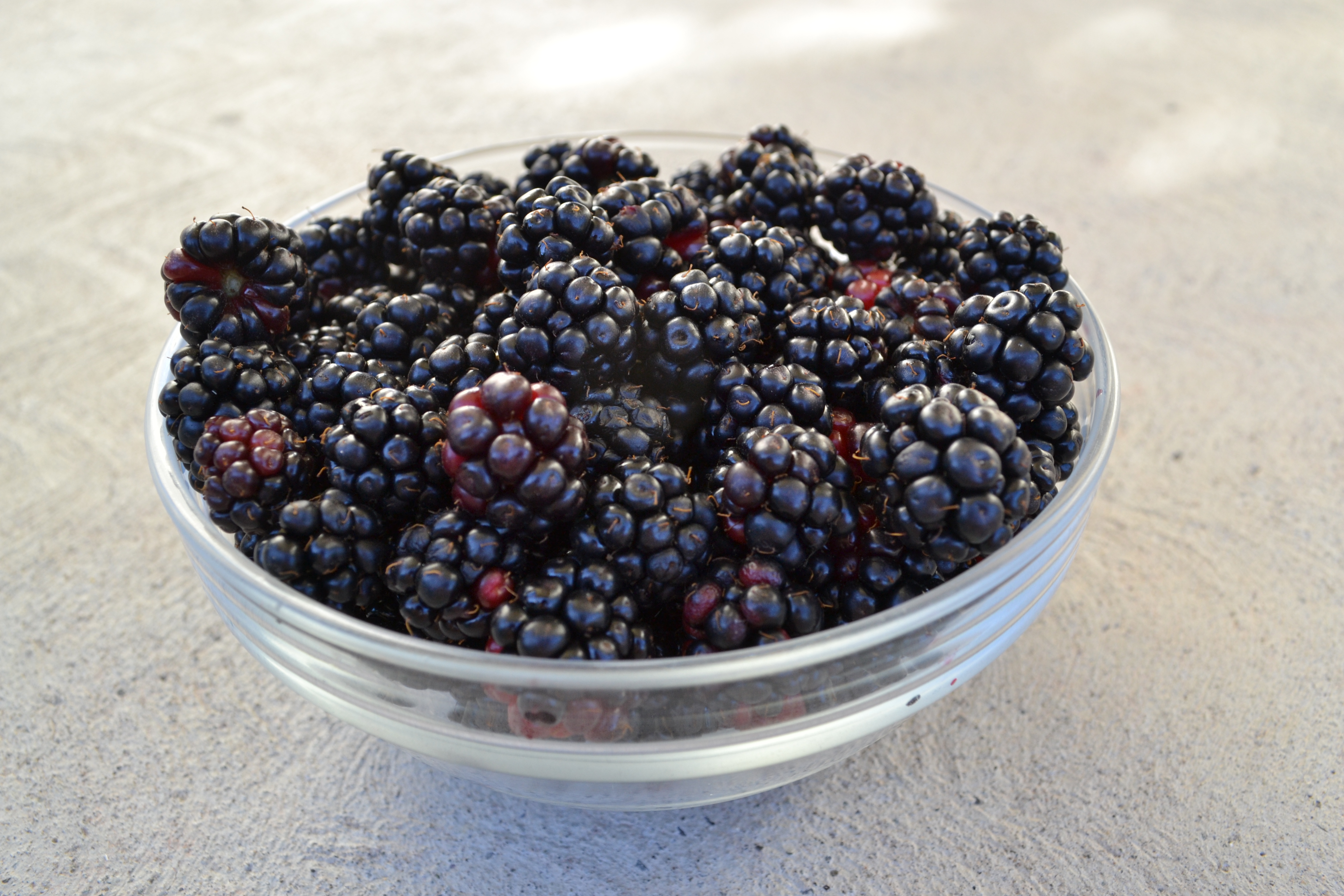
In our neighborhood here in northern California, there are many places where we can forage wild blackberries from late summer into fall. When I go out to harvest wild blackberries I am reminded to be mindful of the thorns that these plants have on their stems and leaves. Blackberries are in the rose family, so it is not surprising to find thorns on these plants. Here is a nutrient analysis of one cup of blackberries (144 g):
| Blackberries – 1 cup | Adult Daily Requirements | |
| Calories | 62 | varies |
| Calcium | 42 | 1000 mg, 1200 mg |
| Iron | 0.9 | 8 mg for men and postmenopausal women, 18 mg for premenopausal women |
| Magnesium | 29 | 310 – 320 mg for women, 400 – 420 mg for men |
| Potassium | 233 | 4,700 mg |
| Zinc | 0.8 | 8 mg for women, 11 mg for men |
In reality, I eat more than one cup of blackberries in one sitting, so here is a nutrient analysis of 3½ cups of blackberries (504 g):
| Blackberries – 3½ cups | Adult Daily Requirements | |
| Calories | 217 | varies |
| Calcium | 246 | 1000 mg, 1200 mg |
| Iron | 3.1 | 8 mg for men and postmenopausal women, 18 mg for premenopausal women |
| Magnesium | 101 | 310 – 320 mg for women, 400 – 420 mg for men |
| Potassium | 816 | 4,700 mg |
| Zinc | 2.7 | 8 mg for women, 11 mg for men |
Often, people in the raw food community ask me if fruits are good source of minerals. The answer is that it depends on the fruit and how much one is eating of that fruit. As we can see, blackberries eaten in quantity can be a significant source of the minerals stated in the table above.
Not only can blackberries be a good source of certain important minerals, they are also well known for being a good source of antioxidants. Antioxidants are molecules that can neutralize free radicals before they cause damage to our cells.
A 2006 study measured the antioxidant content of over 1,000 foods and listed the 50 with the highest antioxidant content per 100 grams. Blackberries are number 19 on the list with 3.99 mmol antioxidants per 100 g. Foods that were higher than blackberries include ground cloves, oregano, ginger, cinnamon, turmeric, walnuts, basil, and others. For a full list please watch the video associated with this blog post or view the study listed in the reference section.
There is a challenge with measuring the antioxidant content of foods per 100 grams, given that one must consider how much of these foods one would actually eat in one sitting. Does it make sense that someone is going to eat 100 grams of cloves in one sitting? No, usually when one adds cloves to a recipe, the amount is usually around 1 teaspoon (2.1 grams) or a similar amount. However, it does make sense that one would eat 100 grams of blackberries (a little less than ¾ cup) or much more as mentioned earlier. When antioxidant content was measured per serving size, blackberries topped the list at 5.75 mmol antioxidants per cup, followed by walnuts, strawberries, artichokes, cranberries, and others. Ground cloves were further down on the list at number 10 with 2.64 mmol of antioxidants per teaspoon. Per serving, blackberries had the highest in antioxidants per serving than all other foods tested, which would include other high antioxidant berries like blueberries and raspberries.
What are some of the antioxidants found in blackberries? One type is anthocyanins, which are famous for their blue coloring. Other examples of anthocyanin containing foods include blueberries and raspberries.
Here is a video explaining this information with some added facts on the nutrient content of figs:
References:
Halvorsen BL, Carlsen MH, Phillips KM, Bøhn SK, Holte K, Jacobs DR Jr, Blomhoff R. Content of redox-active compounds (ie, antioxidants) in foods consumed in the United States. Am J Clin Nutr. 2006 Jul;84(1):95-135.
Nutrient content of blackberries: USDA nutrient database
But isn’t fruit controversial for some reason?
To make it easy for people to find reliable information on fruit, the glycemic index, glycemic load, fructose, glucose, and carbohydrates in general, we dedicated a chapter in our book, The Raw Food Nutrition Handbook: An Essential Guide to Understanding Raw Food Diets to answering many common carbohydrate questions.
In the book we also cover other hot topics in raw food nutrition such as essential fats, protein, nutrient content of raw food diets, food combining, enzymes, hydration, vitamins, minerals, and many more. We value education on these important topics and are happy to finally bring this book to you. The book is available on Amazon and other online booksellers.
One of the best ways to keep in touch with us is to join our email list. You’ll receive a free copy of Our Top 12 Strategies for Long Term Success on A Raw Plant-Based Diet eBook along with regular information about raw food and plant-based diets and periodic promotions for our classes, events, and other offerings!
My Top Five Favorite Leafy Greens
One of the best ways to keep in touch with us is to join our email list. You’ll receive a free copy of Our Top 12 Strategies for Long Term Success on A Raw Plant-Based Diet eBook along with regular information about raw food and plant-based diets and periodic promotions for our classes, events, and other offerings!
Spirulina and Chlorella: What are they?
- Are they plants?
- Are they animals?
- What are they exactly?
To get a better understanding about spirulina and chlorella, let’s examine the five kingdoms of life:
- Plantae – the plant kingdom
- Animalia – the animal kingdom
- Fungi – the fungus kingdom
- Protista – the protist kingdom
- Monera – the single-celled organism kingdom or the bacteria kingdom
All living organisms on this planet are grouped into one of these five kingdoms.
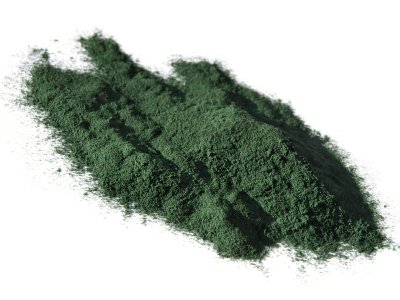
Spirulina
Spirulina has been classified as a type of cyanobacteria. Cyanobacteria are single-celled organisms with a chloroplast, conferring photosynthetic ability. Photosynthesis is the process by which an organism creates its own food from sunlight. The chloroplasts in spirulina give it a blue-green coloring, which is why spirulina is often informally referred to as a “blue-green algae”. It’s not actually an algae, it’s a type of bacteria.
There are two species of spirulina available as products:
- Arthrospira platensis – formerly known as spirulina platensis
- Arthrospira maxima – formerly known as spirulina maxima
Given that spirulina is a type of cyanobacteria, it is found in the bacteria kingdom.
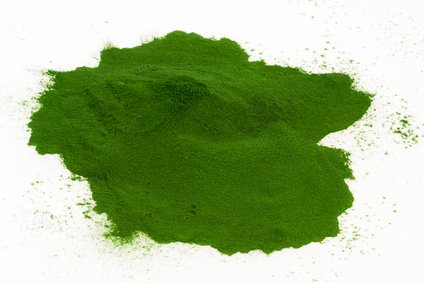 Chlorella
There are many species of chlorella all of which have been classified as green algae. Historically, most types of algae have been grouped in the plant kingdom, however, some species of algae including chlorella are considered to be structurally simpler and smaller than plants. Because chlorella is such a small algae, there are some researchers that would like to have it classified as a protist. At this time, there is some controversy as to whether or not chlorella is a plant or a protist.
Let’s take a closer look at what a protist actually is. Is a protist an animal? No, animals are grouped in a separate kingdom of their own. Protists are multicellular, they have many cells, so they are not bacteria. Protists are not as complex and have a simpler cellular organization than plants, animals, or fungi, which is one of the reasons why protists have their own separate kingdom. Protists generally live in water examples of which include simpler algaes and other types of microscopic organisms. Although its classification is a work in progress, chlorella clearly has never been classified as animal, only a plant or protist.
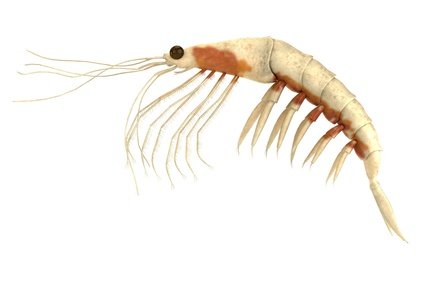 Krill
Krill
For comparison, let’s consider krill. How does krill compare to chlorella? Krill is known for its omega-3 fat content, specifically DHA. Krill has been classified in the animal kingdom because it has a nervous system, digestive system, eyes, and other structures and functions in common with animals. Krill is a small animal at 5 cm in length. By contrast, chlorella is 0.0005 cm in diameter and spirulina is 0.0005 cm long, both being much smaller than krill.
In summary, spirulina is a type of cyanobacteria classified in the bacteria kingdom, while chlorella is a type of algae that has been historically considered in either the plant kingdom or the protist kingdom. Clearly neither spirulina nor chlorella has ever been grouped in the animal kingdom.
Interested in taking your nutrition knowledge to the next level?
We cover this topic and so much more in our online Mastering Raw Food Nutrition and Educator Course. For more class details, click here.
Additionally, our book The Raw Food Nutrition Handbook: An Essential Guide to Understanding Raw Food Diets addresses many hot topics in raw food nutrition such as essential fats, protein, nutrient content of raw food diets, food combining, enzymes, hydration, vitamins, minerals, and many more. We value education on these important topics and are happy to finally bring this book to you. The book is available on Amazon and other online booksellers.
One of the best ways to keep in touch with us is to join our email list. You’ll receive a free copy of Our Top 12 Strategies for Long Term Success on A Raw Plant-Based Diet eBook along with regular information about raw food and plant-based diets and periodic promotions for our classes, events, and other offerings!
What is so great about dandelion greens?
One of the best ways to keep in touch with us is to join our email list. You’ll receive a free copy of Our Top 12 Strategies for Long Term Success on A Raw Plant-Based Diet eBook along with regular information about raw food and plant-based diets and periodic promotions for our classes, events, and other offerings!
How do you know if a food contains gluten?
One of the best ways to keep in touch with us is to join our email list. You’ll receive a free copy of Our Top 12 Strategies for Long Term Success on A Raw Plant-Based Diet eBook along with regular information about raw food and plant-based diets and periodic promotions for our classes, events, and other offerings!
Research, Clinical Experience, and Personal Experience: Which is Most Important?
One of the best ways to keep in touch with us is to join our email list. You’ll receive a free copy of Our Top 12 Strategies for Long Term Success on A Raw Plant-Based Diet eBook along with regular information about raw food and plant-based diets and periodic promotions for our classes, events, and other offerings!
Go Greener with the Dinas!

When I first became interested in health 25 years ago, in addition to choosing a healthful diet, I learned the importance of taking care of our beautiful planet, its precious resources, and its inhabitants. Back then, I asked myself how I as an individual, could make a difference in making the world a greener place. I realized then that collective action from a number of people can absolutely make a difference, and that people do take action when they begin to realize the changes each person can make to add to the whole.
Since my health journey began, I‘ve seen many changes in the “green habits” people have adopted. Recycling is a great example. Growing up in the 1970s, my hometown did not have curbside recycling and I had not heard of any municipality that did. Today, I can’t think of a community that doesn’t offer recycling. This exemplifies the influence that groups of conscientious people can have on public policy. Fuel efficient cars are another great example. Over the last several years, wherever I travel in the U.S. I’ve seen growing numbers of hybrid and alternative fuel cars. The city where I live even gives financial incentives to people who replace their lawns with native plants, encouraging water conservation.
Here are several examples of simple things that Rick and I do regularly to make a positive contribution:
• Grow our own food
• Use vinegar as a weed eliminator
• Use gray water to water our lawn
• Use green cleaners and personal care products
• Wash and reuse produce bags
Rick and I have always grown our own food in the places we’ve lived, no matter how small. When we lived in apartments, we sprouted and did our best to grow food in containers on our apartment patio, when possible. When we moved into our house, we built raised bed gardens and bought some wine barrel planters. Since we live in northern California, our garden is productive all year, and we grow popular summer staple foods like tomatoes, lettuce, bell peppers, several types of greens, squash, and many other vegetables and fruits. Our winter garden is mostly composed of hardy greens like kale.
We’ve found that vinegar makes a great weed eliminator in the areas of our yard that do not have food producing plants like the front yard. One huge caveat would be to NOT use vinegar on lawn weeds, since it kills grass! We found this out the hard way. Fortunately, the lawn in these areas is growing back now— since we’ve watered it (and rest of our lawn) with gray water.
When we shower, we collect the gray water in buckets and use the water on our lawn, trees, and shrubs. This can be a little cumbersome at first, since we have to carry the buckets from our shower out to the front yard. When we started doing this, we were astounded at how much water we used for showering, but carrying the water has taught us to use much less, which is especially important now that California is experiencing a drought.
I’ve used natural and biodegradable household cleaners, soaps, shampoos, and conditioners for 25+ years, and am gratified to find many more quality eco-friendly products available today.
For many years, I’ve washed and reused plastic produce bags. This takes a little time, but I absolutely think it is time well spent and I’m happy to help keep plastic out of the landfill. Many communities now forbid plastic bags for purchases—another great sign of progress for going greener. Green bags and reusable mesh bags are now available for produce as well.
Another green strategy includes buying locally produced food to cut down on fossil fuel expenditure during transportation, opting out of receiving junk mail to save paper, using rechargeable batteries to run remote controls and other gadgets, and eating mostly organic food. A couple of years ago we replaced the single-paned windows in our house with double-paned windows to save on heat loss. Our best strategy of all is to eat a high raw, whole food plant-based diet, which provides numerous benefits both for our health and the planet.
This is just a sampling of our “go greener” strategy. We know that every positive change each of us makes contributes to a greener, healthier planet for all!
One of the best ways to keep in touch with us is to join our email list. You’ll receive a free copy of Our Top 12 Strategies for Long Term Success on A Raw Plant-Based Diet eBook along with regular information about raw food and plant-based diets and periodic promotions for our classes, events, and other offerings!
Beta-carotene absorption and conversion to vitamin A on a raw plant-based vegan diet
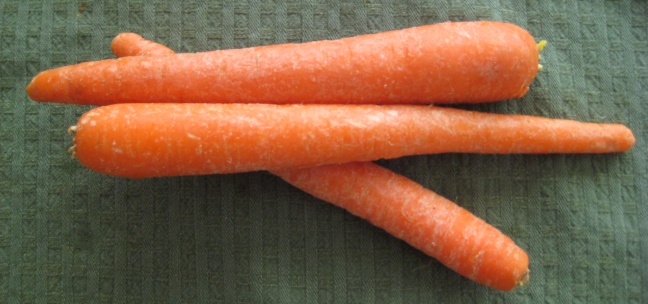 Where does one get vitamin A on a plant-based vegan diet?
Vitamin A is essential for proper cell growth and reproduction and is probably best known for its importance in vision. It also plays an important role in immune system function and skin health. Vitamin A (also known as retinol) is found exclusively in animal foods and various vitamin supplements. Vitamin A is an essential nutrient for humans, so if one is eating a vegan diet, where is this vitamin A obtained? Fortunately, the human body converts beta-carotene and certain other carotenoids to vitamin A when necessary. Beta-carotene is a well-known carotenoid famous for providing carrots with their orange coloring and is found in many other plant foods, especially green, yellow, and orange-colored fruits and vegetables.
Beta-carotene conversion to vitamin A
How does this conversion of beta-carotene to vitamin A work? In the human body, beta-carotene is converted to retinal by a dioxygenase enzyme. Retinal is then converted to retinol (vitamin A) by a dehydrogenase enzyme:
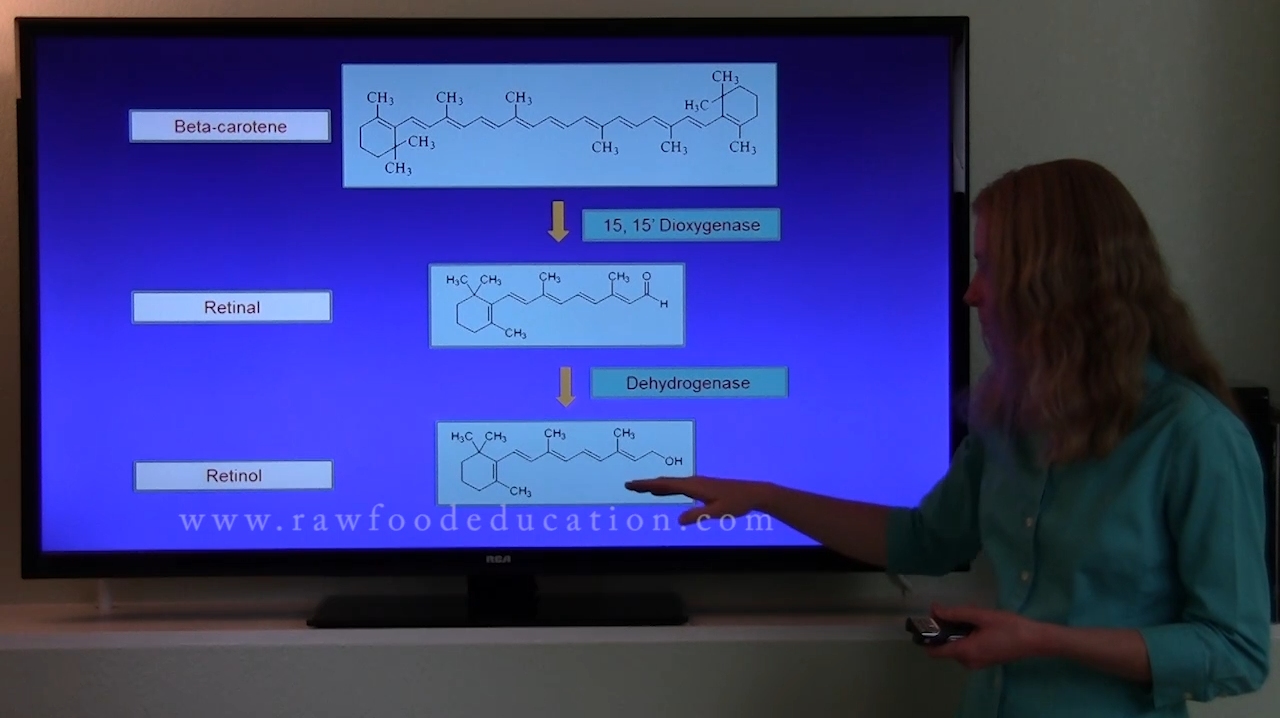
Other carotenoids that are capable of converting to vitamin A in the human body include alpha-carotene, gamma-carotene, and beta-cryptoxanthin. Of the four carotenoids, the one that converts the most reliably to vitamin A is beta-carotene.
Why is my skin orange?
Vitamin A is a fat-soluble nutrient, which means that it can be stored in our body and we run the risk of getting too much from outside sources, such as supplements consumed in excess of the body’s needs. Carotenoids are fat soluble also, but do not carry the same risks as vitamin A with excess consumption. In excess of the body’s needs, carotenoids are stored in fat cells including those under our skin, giving an orange color to the skin which is only cosmetic.
Do we have to cook our food to get enough beta-carotene and vitamin A?
Many people have asked about the effectiveness of this carotenoid conversion mechanism and how well carotenoids are absorbed from raw food. A recent study found normal vitamin A status and favorable blood beta-carotene levels in 200 long-term raw food enthusiasts. This indicates is that these raw foodists consumed a good amount of beta-carotene, a quantity was absorbed and was present in their bloodstream, and then an appropriate amount was converted into vitamin A.
References:
Fleshman, Matthew Kintz. Beta Carotene Absorption and Metabolism. Ph.D. dissertation, Ohio State University, 2011.
Garcia A, Koebnick C, Dagnelie P, Strassner C, Elmadfa I, Katz N, Leitzmann C, Hoffman I. British Journal of Nutrition 2008; 99: 1293 – 1300.
Interested in taking your vitamin A, beta-carotene, and general nutrition knowledge to the next level?
We cover this topic and so much more in our online Mastering Raw Food Nutrition and Educator Course. For more class details, click here.
Additionally, our book The Raw Food Nutrition Handbook: An Essential Guide to Understanding Raw Food Diets addresses many hot topics in raw food nutrition such as essential fats, protein, nutrient content of raw food diets, food combining, enzymes, hydration, vitamins, minerals, and many more. We value education on these important topics and are happy to finally bring this book to you. The book is available on Amazon and other online booksellers.
One of the best ways to keep in touch with us is to join our email list. You’ll receive a free copy of Our Top 12 Strategies for Long Term Success on A Raw Plant-Based Diet eBook along with regular information about raw food and plant-based diets and periodic promotions for our classes, events, and other offerings!
Enhance Your Raw Food Diet with Home Grown Produce!

Spring is in the air and gardening season has begun in our home! Some of the many joys a raw food enthusiast experiences in Springtime are: preparing soil in raised beds to grow favorite garden vegetables, choosing the perfect vegetable starts, then planting them and watching them grow throughout the season. Harvest time is always exciting, too, as we reap the “fruits of our labor” (and the vegetables, too!).
Plant leafy greens for optimal nutrition
This year, in order to pack our raw vegan diet with optimal nutrition, we’ve planted a plenitude of leafy greens, including several types of lettuce, frisée (curly endive), dandelion greens, arugula, two types of kale, and two types of collard greens. The lettuce varieties we planted are heirloom varieties of green leaf, red leaf, red Romaine, green Romaine, and red oak leaf. Lettuce, frisée, and dandelion greens are all members of the sunflower family (Asteraceae), while arugula, kale, and collard greens are members of the cabbage family (Brassicaceae). Members of this plant family are also known as cruciferous vegetables, and include broccoli, cauliflower, maca, turnip, rutabaga, Brussels sprouts, watercress, red and green cabbage, bok choy, and Napa cabbage.
We’ve also planted several varieties of tomatoes, including some of the heirloom varieties we love, like Pineapple tomatoes, Cherokee Purple, Green Zebra, Brandywine, and several different types of cherry tomatoes. Several tomato varieties love heat, and we planted those in our yard on the south side of the house, which is warmer than the rest of our yard and more sheltered from the wind. Tomatoes are part of the nightshade family (Solanaceae) along with bell peppers, eggplant, potatoes, tomatillos, goji berries, Incan berries, jalapeño peppers, and other hot pepper varieties.
Plant mints in containers for best results
We have quite a few plants from the mint family in our yard this year, including several types of basil and four types of mint. Mints have a tendency to grow and spread prolifically. Early in my gardening career I made the mistake of planting mint in my raised beds and found out the hard way that mint plants have a tendency to “take over” the garden. This year, I learned from past experience and planted the mints in half wine barrels to keep them appropriately contained. However, if you want a very aromatic ground cover, Corsican Mint is a beautiful choice. A couple of years ago, I planted it in a makeshift herb garden in a non-grassy area of my yard. It has since spread and creates a deliciously fragrant chocolate mint addition to the area. It may surprise you to know that Chia seeds are another member of the mint family famously popular in the raw food community!
On the other hand, most types of basil stay localized in their growth habit, so I plant basil directly in my raised beds. They make a lovely companion planting next to the tomatoes, and the two are a perfect culinary combination, especially in Italian cuisine.
Fruit-bearing plants in our yard include two types of lemon trees and a fig tree, which is already producing numerous small figs. The fig tree is only five years old, and has already been producing numerous baskets of figs for the last three seasons. Since we adore figs, we’re really looking forward to harvest time later this year!
Plant fruits and vegetables no matter where you live
This is a small sampling of the foods we are currently growing in our yard and garden. We enjoy being able to create more diversity in our raw food diets and growing foods we enjoy that can be harder to find in the grocery store aisles. Even more importantly, we notice a big difference in the taste and quality of the foods we grow compared to the ones we buy. We suggest growing fruits and vegetables—you’ll be well rewarded in both taste and nutritional value. Before we had a back yard, we grew vegetables and fruits on our apartment patio, and sprouts, greens, and grasses near a window in our dining room. There are so many ways to grow your own food, and at harvest time, you’ll be grateful that you made the worthwhile effort. Happy gardening!
One of the best ways to keep in touch with us is to join our email list. You’ll receive a free copy of Our Top 12 Strategies for Long Term Success on A Raw Plant-Based Diet eBook along with regular information about raw food and plant-based diets and periodic promotions for our classes, events, and other offerings!
Raw Food and Prebiotics for Health
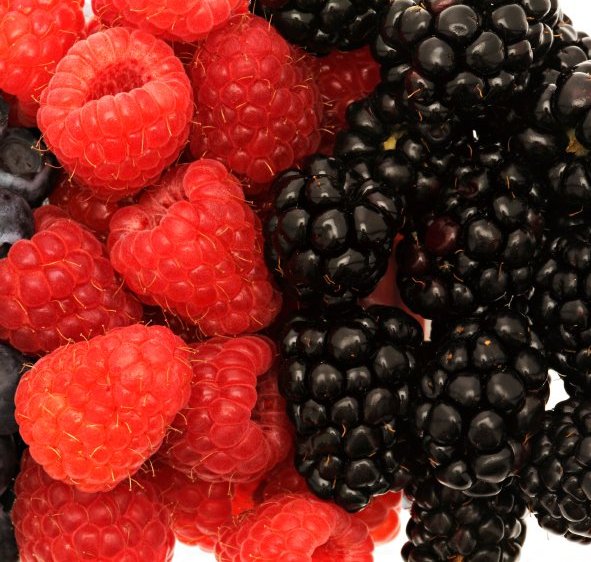
There has been a lot of talk about the importance of probiotics for health in the media recently. As a result, there are now numerous products on the market that are supplemented with probiotics. It’s important to understand not only the health benefits of probiotics, but how to keep them alive once they are in the intestinal tract.
Probiotics need food to survive, and once in our intestinal tract, probiotics can stay alive on the foods we ingest. Just like people, probiotics thrive on specific types of foods, especially certain types of fiber. Fiber is not digestible by humans, but is fermentable by probiotics. Fiber that can provide food for probiotics is referred to as a prebiotic. Most types of fiber are composed of glucose molecules hooked together by chemical bonds; but the types of fiber that probiotics prefer as a source of food are composed of fructose molecules hooked together by chemical bonds. These types of fiber include fructooligosaccharides (FOS) and inulin.
Probiotics break down fructooligosaccharides and inulin into fructose and free fatty acids. The resulting fructose is then used as a food source by the probiotics and the free fatty acids serve as a food source for the cells that line our large intestine. In this way, among many others, probiotics help to provide food for us.
Raw Food Plant Based Diet Rich Source of Prebiotics
Inulin and fructooligosaccharides occur naturally in greater than 36,000 plant species in varying amounts. Some of the richest sources of inulin and FOS include banana, dandelion greens, garlic, artichoke, Jerusalem artichoke, onion, leek, yacon, shallot, and many more. There are numerous other commonly consumed raw foods that provide smaller amounts of these types of fiber, including lettuce, snap peas, snow peas, carrots, peaches, blackberries, watermelon, navel oranges, black grapes, raspberries, other fruits and vegetables, and some whole grains. Fruits and vegetables provide plenty of this and many other beneficial types of fiber, which is just one of a myriad of benefits derived by consuming large quantities of fruits and vegetables in one’s daily diet.
There is still much to learn about the health benefits and preferred foods of probiotics, and the media buzz on probiotics continues to grow. There have been articles in major newspapers including the New York Times on the possible connection between probiotics and maintaining a healthy weight, attributed to the ability of probiotics to use calories from our food for their own energy needs. This way, those extra calorie sources are consumed by probiotics rather than being absorbed by the body and stored as fat.
This is just the tip of the iceberg! We include much more information about the importance of probiotics and prebiotics in our Mastering of Raw Food Nutrition. We’d love for you to join us to learn more about this and many other fascinating topics on the science of plant based raw food nutrition.
References and Research:
Bosscher D(1), Breynaert A, Pieters L, Hermans N. Food-based strategies to modulate the composition of the intestinal microbiota and their associated health effects. J Physiol Pharmacol. 2009 Dec;60 Suppl 6:5-11.
de Vrese M(1), Schrezenmeir J. Probiotics, prebiotics, and synbiotics. Adv Biochem Eng Biotechnol. 2008;111:1-66.
Kechagia M(1), Basoulis D(2), Konstantopoulou S(1), Dimitriadi D(1), Gyftopoulou K(1), Skarmoutsou N(1), Fakiri EM(1). Health benefits of probiotics: a review. ISRN Nutr. 2013 Jan 2;2013:481651.
Kelly G. Inulin-type prebiotics--a review: part 1. Altern Med Rev. 2008 Dec;13(4):315-29.
Niness K. Inulin and oligofructose: what are they? J Nutr 1999; 129 (7 Suppl): 1402S – 1406S.
Quigley EM. Prebiotics and probiotics; modifying and mining the microbiota. Pharmacol Res. 2010 Mar;61(3):213-8.
Roberfroid M(1), Gibson GR, Hoyles L, McCartney AL, Rastall R, Rowland I, Wolvers D, Watzl B, Szajewska H, Stahl B, Guarner F, Respondek F, Whelan K, Coxam V, Davicco MJ, Léotoing L, Wittrant Y, Delzenne NM, Cani PD, Neyrinck AM, Meheust A. Prebiotic effects: metabolic and health benefits. Br J Nutr. 2010 Aug;104 Suppl 2:S1-63.
Slavin J. Fiber and prebiotics: mechanisms and health benefits. Nutrients. 2013;5:1417-1435.
Thomas LV(1), Ockhuizen T(2), Suzuki K(3). Exploring the influence of the gut microbiota and probiotics on health: a symposium report. Br J Nutr. 2014 Jul;112 Suppl 1:S1-S18.
One of the best ways to keep in touch with us is to join our email list. You’ll receive a free copy of Our Top 12 Strategies for Long Term Success on A Raw Plant-Based Diet eBook along with regular information about raw food and plant-based diets and periodic promotions for our classes, events, and other offerings!
The Calcium Content of Fruit
One of the best ways to keep in touch with us is to join our email list. You’ll receive a free copy of Our Top 12 Strategies for Long Term Success on A Raw Plant-Based Diet eBook along with regular information about raw food and plant-based diets and periodic promotions for our classes, events, and other offerings!
Is Lettuce a Superfood?
One of the best ways to keep in touch with us is to join our email list. You’ll receive a free copy of Our Top 12 Strategies for Long Term Success on A Raw Plant-Based Diet eBook along with regular information about raw food and plant-based diets and periodic promotions for our classes, events, and other offerings!
Video on the Vitamin E content in Raw and Roasted Almonds
One of the best ways to keep in touch with us is to join our email list. You’ll receive a free copy of Our Top 12 Strategies for Long Term Success on A Raw Plant-Based Diet eBook along with regular information about raw food and plant-based diets and periodic promotions for our classes, events, and other offerings!
Why is fruit easier to digest than other foods?
In this article and video we will explore why fruit can be easier to digest than other foods by understanding several aspects of digestive physiology.
There are three macronutrients that we find in whole foods: carbohydrate, protein, and fat. Fruit is high in carbohydrate and in general, carbohydrates tend to be more quickly digested than protein and fat.
Here is a chart that illustrates the carbohydrate, protein, and fat content (as a percentage of calories) of various types of foods:
| Type of Food | Carbohydrate | Protein | Fat |
| Fruit | 89% | 6% | 5% |
| Vegetables | 73% | 18% | 9% |
| Nuts and Seeds | 16% | 11% | 73% |
| Legumes | 66% | 30% | 4% |
| Grains | 80% | 12% | 8% |
| Oil | 0 | 0 | 100% |
| Avocados | 19% | 5% | 76% |
| Coconuts | 17% | 4% | 79% |
| Spirulina | 26% | 64% | 10% |
As we can see, the macronutrient content of fruit averages 89% carbohydrate, 6% protein, and 5% fat. Fruit is the highest in carbohydrate of the food groups listed.
Types of carbohydrates
There are three different types of carbohydrates: polysaccharides, disaccharides, and monosaccharides. Monosaccharides are composed of a single sugar, as the name would imply. Mono means “one” and saccharide means “sugar”. Disaccharides are two monosaccharides hooked together by a chemical bond. Polysaccharides are composed of multiple monosaccharides hooked together by chemical bonds. For further clarification, there are two types of polysaccharides, digestible and non-digestible. An example of a digestible polysaccharide is starch and a non-digestible example is fiber. Starch is also referred to as “complex carbohydrate”, while fiber is also known as “cellulose”.
Complex carbohydrates, such as starch, and disaccharides have chemical bonds that must be broken down by digestive enzymes into monosaccharides in order to be absorbed. The human body uses the carbohydrate-digesting enzyme amylase to break down complex carbohydrates into simpler carbohydrates. A common disaccharide is sucrose, which is composed of glucose and fructose hooked together by a chemical bond. Since sucrose is a disaccharide, it is broken down by the digestive enzyme sucrase into the monosaccharides glucose and fructose, which can then be absorbed.
To summarize, monosaccharides are absorbed by our digestive tract, so carbohydrates that are more complex must be broken down into monosaccharides in order to be absorbed.
Carbohydrates in fruit
The carbohydrates found in fruit are primarily fructose and glucose, both of which are monosaccharides, so they do not need to be broken down further by digestive enzymes. This is a reason why fruits are often referred to as being “predigested”. In other words, our body absorbs fructose and glucose “as is”, without using digestive enzymes to break them down further.
Here is a chart showing the fructose, glucose, sucrose, and complex carbohydrate content of various fruits:
| Food | Fructose (g) | Glucose (g) | Sucrose (g) | Complex carbohydrate (g) |
| Mango – one whole (207 g) | 6.00 | 1.45 | 20.5 | 0.83 |
| Blueberries – one cup (148 g) | 7.36 | 7.22 | 0.16 | 3.15 |
| Cantaloupe – 3lbs. (1360 g) | 23.69 | 19.47 | 55.10 | 0.17 |
| Apricots – one cup sliced (165 g) | 1.54 | 3.87 | 9.58 | 0.0 |
| Figs – 5 dried | 9.63 | 10.41 | 0.03 | 2.0 |
| Raspberries – 1 cup (123 g) | 2.89 | 2.29 | 0.25 | 1.25 |
| Strawberries – 1 cup sliced (166 g) | 4.04 | 3.30 | 0.78 | 1.31 |
| Apples – one medium (182 g) | 10.72 | 4.42 | 3.76 | 1.86 |
| Watermelon – One cup diced (152 g) | 5.09 | 2.40 | 1.84 | 1.44 |
| Grapes – One cup red (151 g) | 12.28 | 10.87 | 0.23 | 2.60 |
| Pineapple – One cup chunks (165 g) | 3.50 | 2.85 | 9.88 | 3.09 |
| Banana – one medium (118 g) | 5.72 | 5.88 | 2.82 | 6.35 |
The fructose and glucose content of these fruits is notable, especially when compared to the complex carbohydrate content, which is in several cases quite a bit lower. The sucrose content of these fruits varies by type of fruit.
This next chart shows the carbohydrate content of other various other plant foods:
| Food | Fructose (g) | Glucose (g) | Sucrose (g) | Complex carbohydrate (g) |
| Bell pepper – 1 cup chopped red (149 g) | 3.22 | 2.77 | 0 | 2.99 |
| Tomatoes – One cup chopped (180 g) | 2.47 | 2.25 | 0 | 2.34 |
| Carrots – One cup chopped (110 g) | 0.60 | 0.65 | 3.95 | 2.24 |
| Lettuce – 4 cups shredded (188 g) | 1.50 | 0.73 | 0 | 3.96 |
| Yam – One whole (130 g) | 0.91 | 1.25 | 3.28 | 16.28 |
| Lentils – ½ cup (96 g) | 0.26 | 0.0 | 1.40 | 26.45 |
| Brown rice – med grain, ½ cup (95 g) | 0 | 0 | 0 | 74.82 |
The yam, lentils, and brown rice on this table contain much more complex carbohydrate than the fruits we examined in the previous table. These foods are also generally much lower in glucose, fructose, and sucrose than the fruits. This would suggest that yams, lentils, brown rice and other foods high in complex carbohydrates would require more digestive enzyme activity than fruits, which contain simpler carbohydrates. Vegetables, such as carrots and lettuce, are in a less extreme but similar category since they contain fewer simple carbohydrates and generally more complex carbohydrates than most fruits.
In summary, the higher simple carbohydrate content, lower complex carbohydrate content, and lower protein and fat content of fruit versus other foods may account for the reason why the digestion of fruit requires less digestive enzyme activity than other foods. This ease of digestion and simple carbohydrate content constitute at least part of the reason why fruit can provide us with quick energy for our daily activities, and perhaps even our natural detoxification and healing processes. I look forward to a time when more information is available to share with you on this fascinating topic!
Isn’t fruit controversial for some reason?
To make it easy for people to find reliable information on fruit, the glycemic index, glycemic load, fructose, glucose, and carbohydrates in general, we dedicated a chapter in our book, The Raw Food Nutrition Handbook: An Essential Guide to Understanding Raw Food Diets to answering many common carbohydrate questions.
In the book we also cover other hot topics in raw food nutrition such as essential fats, protein, nutrient content of raw food diets, food combining, enzymes, hydration, vitamins, minerals, and many more. We value education on these important topics and are happy to finally bring this book to you. The book is available on Amazon and other online booksellers.
One of the best ways to keep in touch with us is to join our email list. You’ll receive a free copy of Our Top 12 Strategies for Long Term Success on A Raw Plant-Based Diet eBook along with regular information about raw food and plant-based diets and periodic promotions for our classes, events, and other offerings!
Does our body release all types of digestive enzymes at the same time?
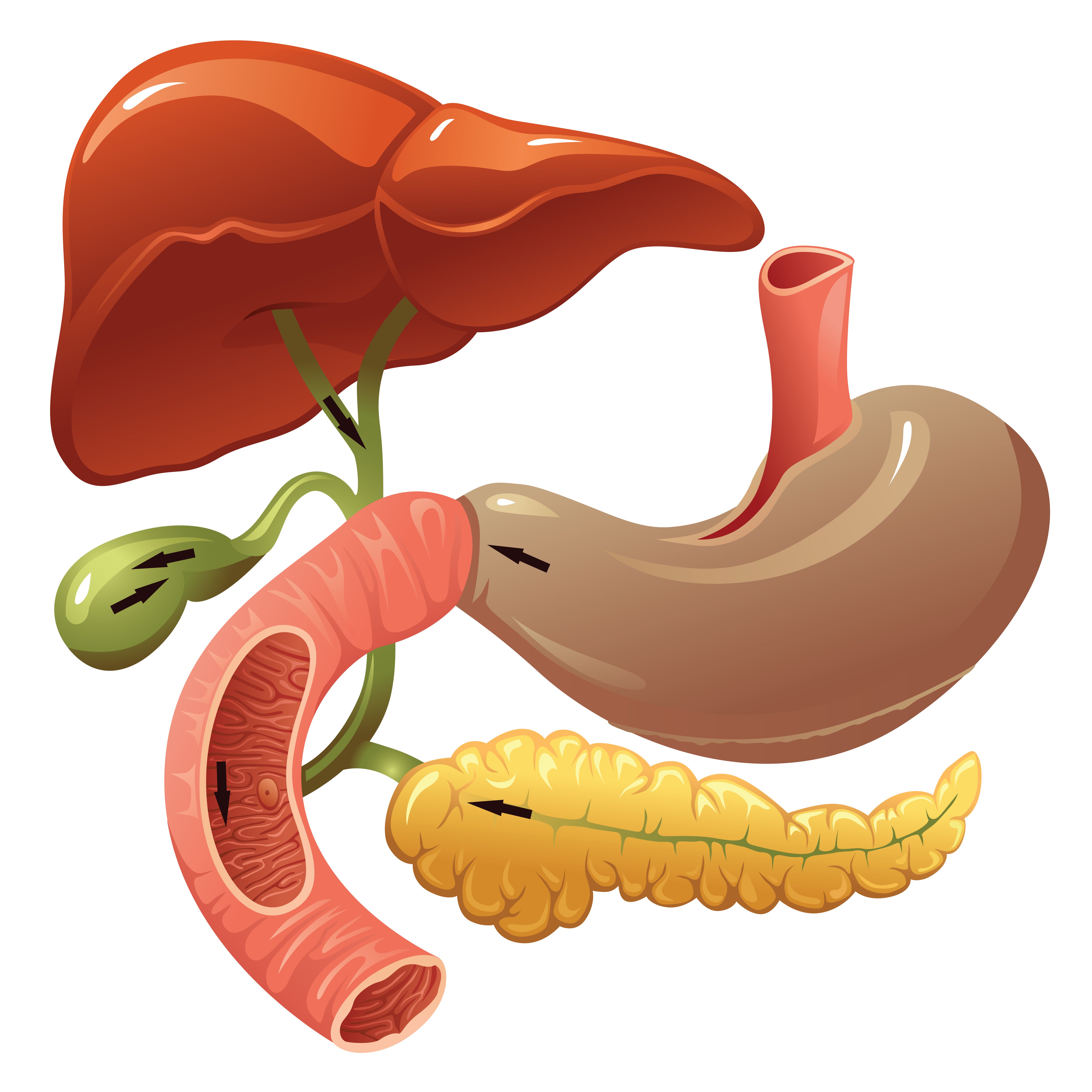
This is a great question that is often asked in the context of food combining. Much of the information disseminated about food combining in the raw food community is decades-old, so here I will cover this topic from the perspective of current digestive physiology. Our body makes three main types of digestive enzymes: amylase for carbohydrate digestion, proteases for protein digestion, and lipase for fat digestion.
Depending where we are in the digestive system, our body will release certain types of digestive enzymes. For example, when we are chewing food, our salivary glands release saliva along with two types of digestive enzymes: salivary amylase for carbohydrate digestion and lingual lipase for fat digestion, so carbohydrate and fat digestion begin in the mouth. After food has been chewed, it is swallowed and moves down the esophagus into the stomach. There, the food comes in contact with other digestive factors such as hydrochloric acid and a protein digesting enzyme called pepsin, so protein digestion begins in the stomach.
After food leaves the stomach, it moves into the small intestine, where it interacts with digestive factors secreted by the pancreas. These factors include the enzymes amylase, protease, and lipase for carbohydrate, protein, and fat digestion, respectively. The pancreas releases ALL THREE types of these enzymes at the same time. This fact is important, given that the foods that we eat are some combination of carbohydrate, protein, and fat. One notable exception is oil with 100% of the calories from fat.
Here are some plant foods and their carbohydrate, protein, and fat content as a percentage of calories:
| Type of Food | Carbohydrate | Protein | Fat |
| Fruit | 89% | 6% | 5% |
| Vegetables | 73% | 18% | 9% |
| Nuts and Seeds | 16% | 11% | 73% |
| Legumes | 66% | 30% | 4% |
| Grains | 80% | 12% | 8% |
| Oil | 0 | 0 | 100% |
| Avocados | 19% | 5% | 76% |
| Coconuts | 17% | 4% | 79% |
| Spirulina | 26% | 64% | 10% |
As you can see, all of these foods contain some amount of each of the three macronutrients. We think of fruits as being a high in carbohydrates, but they also contain some protein and fat! Occasionally, I hear people say that nuts and seeds are a rich source of protein, but in reality, they are much higher in fat. Per calorie, vegetables are a more notable source of protein than nuts and seeds.
Our take home message here is that all whole foods are some combination of carbohydrate, protein, and fat so it is important that the body release enzymes for digestion of all three of these macronutrients at the same time. Additionally, these enzymes do not cancel each other out as some food combining literature states. As mentioned earlier, there is much that we have learned about digestive physiology since food combining principles were first introduced years ago, and we will certainly learn more in years to come. This does not mean that we should disregard food combining principles altogether, but instead use the individual principles that best support our personal health.
Here is video summarizing this information:
For those of you interested in learning more about food combining from the perspective of current research and digestive physiology, my book, the Raw Food Nutrition Handbook: An Essential Guide to Understanding Raw Food Diets provides this information using easy to understand language. I cover this topic and many more hot topics in raw food and nutrition in general to support you in your health journey.
One of the best ways to keep in touch with us is to join our email list. You’ll receive a free copy of Our Top 12 Strategies for Long Term Success on A Raw Plant-Based Diet eBook along with regular information about raw food and plant-based diets and periodic promotions for our classes, events, and other offerings!